%2Ffit-in%2F250x250%2Fguide_websites%2F87636%2Fimages%2F1769736013163lukecarrlogo.jpg&w=1200&q=100)
/users/ebf0d490-e654-4ec4-86f0-1c4c9b76f575/ratecard/618511384_122106626433213417_4379847562263504780_n-ml06ag1z.jpg)
%2F300x300%2Fusers%2Febf0d490-e654-4ec4-86f0-1c4c9b76f575%2Fratecard%2F618511384_122106626433213417_4379847562263504780_n-ml06ag1z.jpg&w=256&q=75)
%2F300x300%2Fusers%2Febf0d490-e654-4ec4-86f0-1c4c9b76f575%2Fimages%2Ffishing-tour-port-arthur-2582.jpg&w=256&q=75)
%2F300x300%2Fusers%2Febf0d490-e654-4ec4-86f0-1c4c9b76f575%2Fimages%2Ffive-fish-port-arthur-3173.jpg&w=256&q=75)
%2F300x300%2Fusers%2Febf0d490-e654-4ec4-86f0-1c4c9b76f575%2Fimages%2Ffishing-tour-port-arthur-3007.jpg&w=256&q=75)
%2F300x300%2Fusers%2Febf0d490-e654-4ec4-86f0-1c4c9b76f575%2Fimages%2Fport-arthur-fishing-trip-2803.jpg&w=256&q=75)
%2F300x300%2Fusers%2Febf0d490-e654-4ec4-86f0-1c4c9b76f575%2Fimages%2Fpicturesque-port-arthur-fishing-3142.jpg&w=256&q=75)
%2F300x300%2Fusers%2Febf0d490-e654-4ec4-86f0-1c4c9b76f575%2Fimages%2Fcatching-the-best-in-tx-3021.jpg&w=256&q=75)
%2F300x300%2Fusers%2Febf0d490-e654-4ec4-86f0-1c4c9b76f575%2Fimages%2Fone-person-fishing-port-arthur-2403.jpeg&w=256&q=75)
%2F300x300%2Fusers%2Febf0d490-e654-4ec4-86f0-1c4c9b76f575%2Fimages%2Fblack-drum-port-arthur-fishing-3074.jpg&w=256&q=75)
%2F300x300%2Fusers%2Febf0d490-e654-4ec4-86f0-1c4c9b76f575%2Fimages%2Fspotted-weakfish-port-arthur-3281.jpg&w=256&q=75)
%2F300x300%2Fusers%2Febf0d490-e654-4ec4-86f0-1c4c9b76f575%2Fimages%2Fbountiful-fishing-expedition-tx-3024.jpg&w=256&q=75)
Full Day Port Arthur Fishing Hardhead Charters
What you will be catching:
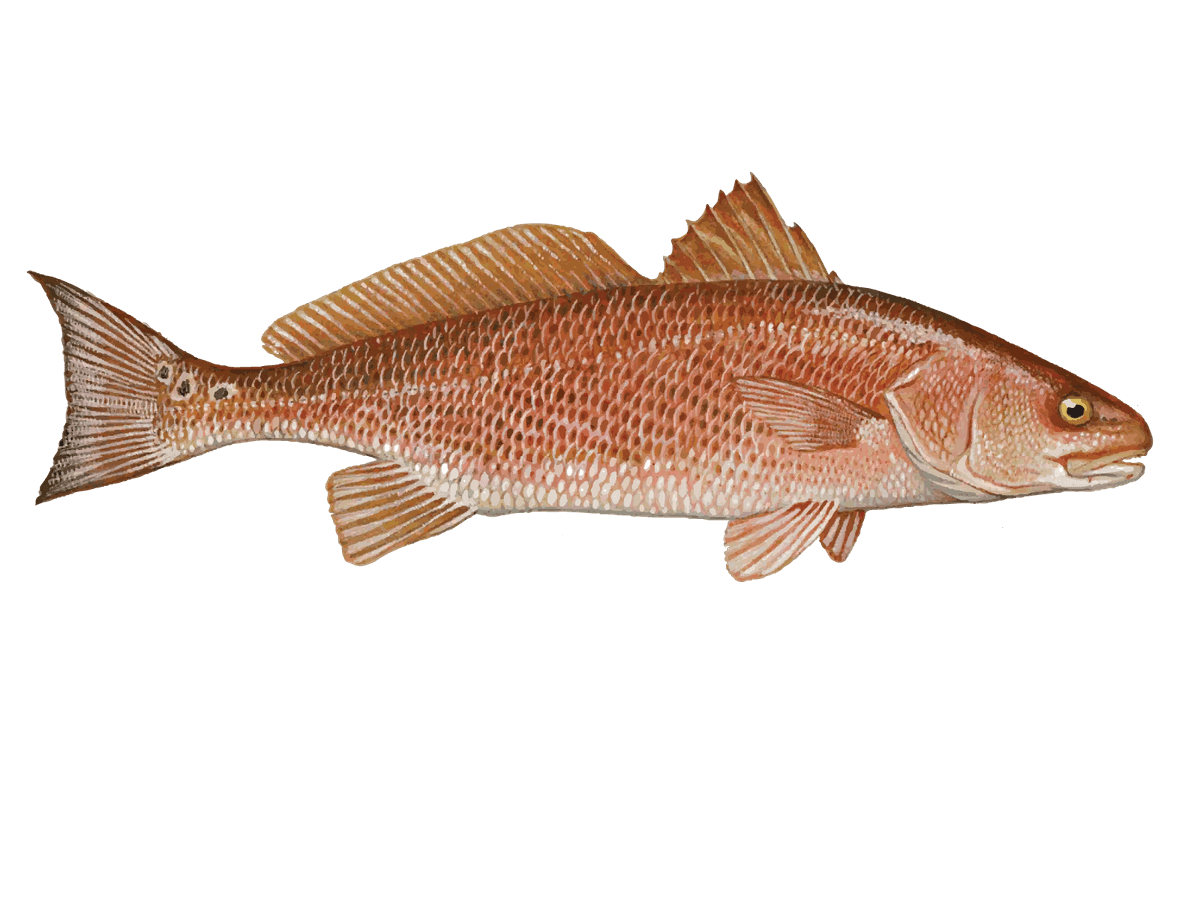
 Redfish
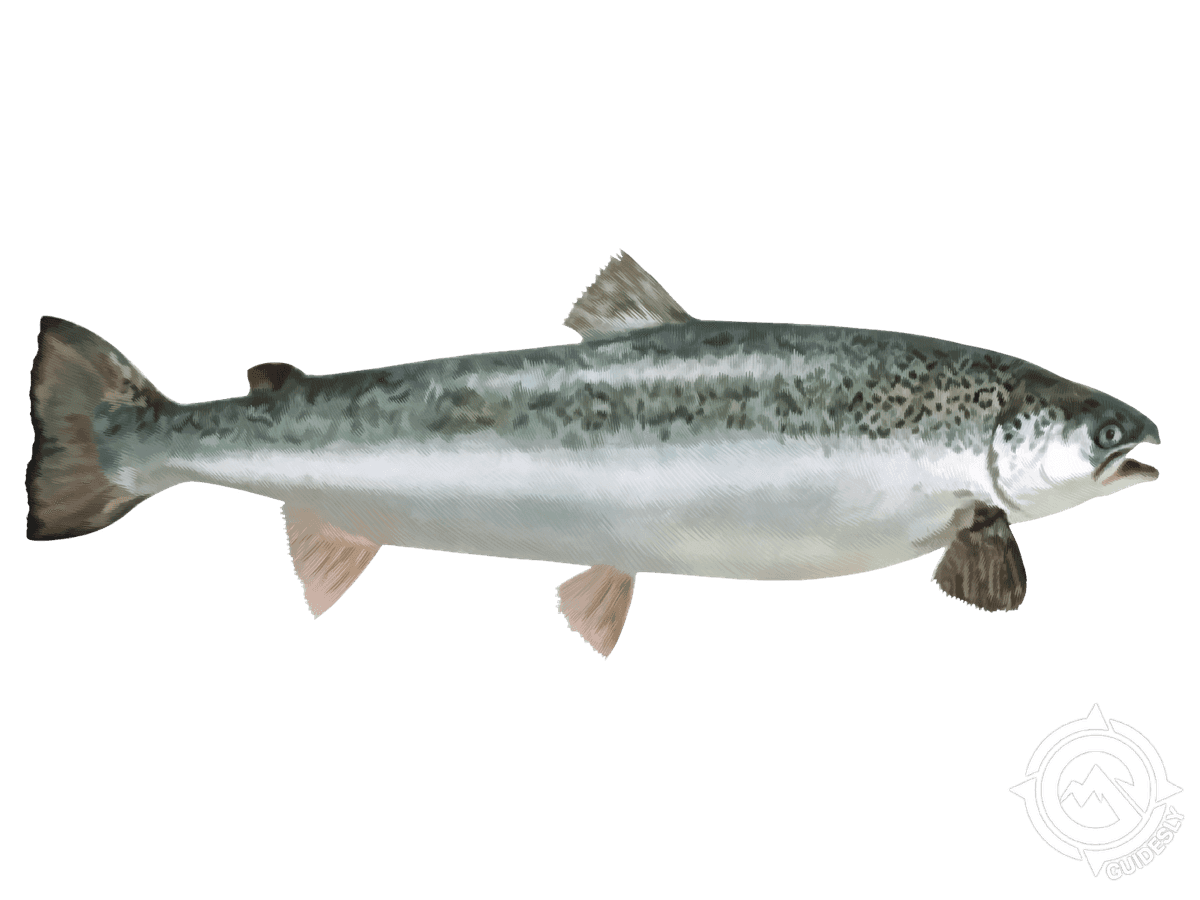
 Sea Trout
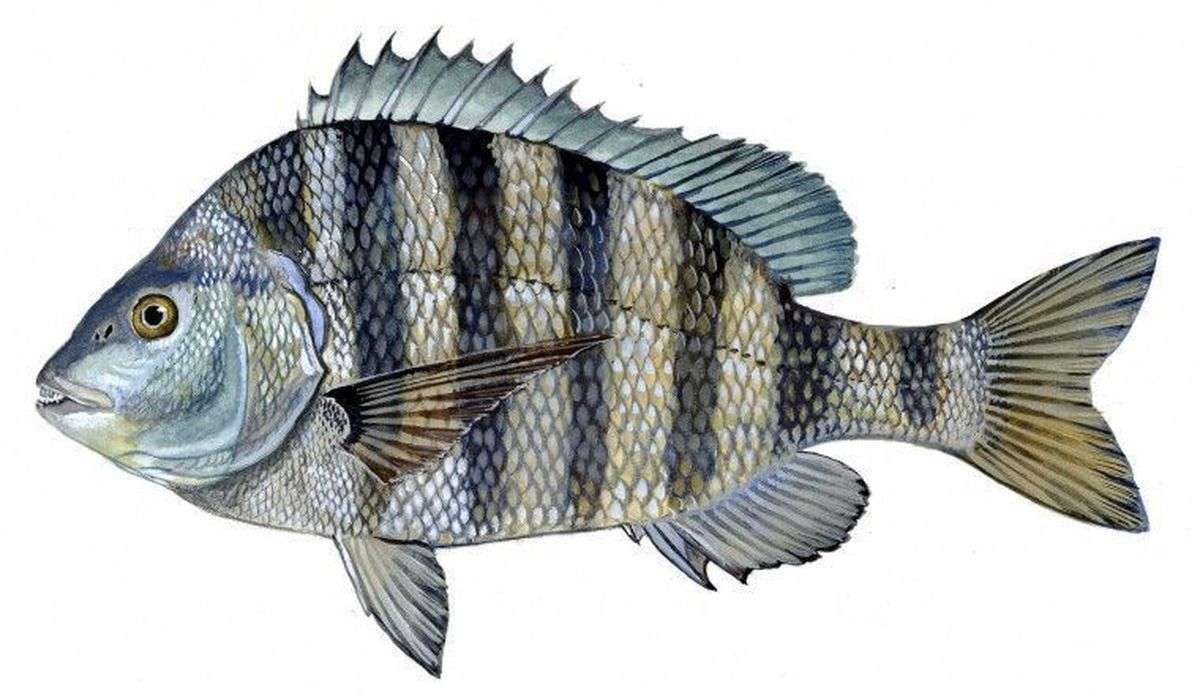
 Sheepshead
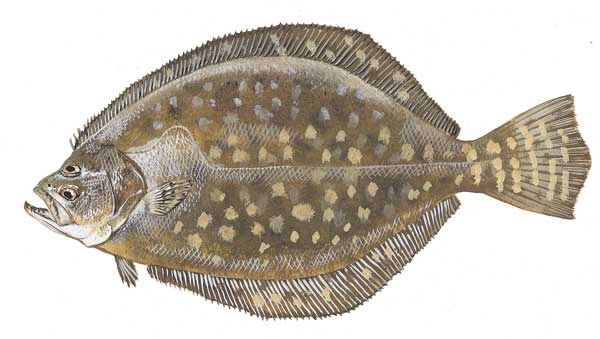 Southern Flounder
- 8-hour private inshore fishing trip targeting redfish and speckled trout
- All gear and live bait included with spacious center console boat
- Accommodates up to 6 people in less crowded family-friendly waters
Trip Pricing and Availabilities:
Full Day Port Arthur Inshore Fishing Adventure
When you're ready to seriously fish the waters around Port Arthur, Captain Luke's 8-hour private charter gives you the time and space to do it right. This isn't your typical rushed half-day trip where you're checking your watch – we're talking about a full day exploring Sabine Lake's best spots, working the marshes, and hitting productive inshore waters where redfish, speckled trout, flounder, and sheepshead call home. You'll have the boat to yourselves, up to 6 anglers, which means no strangers crowding your fishing spots and plenty of room to work. Captain Luke knows these waters like the back of his hand and tailors every trip to match what you're after, whether you're bringing the kids for their first real fishing experience or you're seasoned anglers looking to put some serious fish in the cooler.
What to Expect on the Water
Your day starts early, but that's when the fish are most active and the water's still calm. Captain Luke runs a comfortable center console that handles these inshore waters perfectly – stable enough for the whole family but nimble enough to get into those skinny water spots where the big reds like to cruise. The beauty of an 8-hour trip is the flexibility it gives you. We can start working the grass flats for trout at sunrise, then move to the shell reefs for sheepshead when the sun gets higher, and finish the day sight-casting to redfish in the marshes. All your gear is provided – quality rods, reels, tackle, and lures that are proven producers in these waters. When conditions are right, we'll have live bait on board, because sometimes nothing beats a frisky shrimp or finger mullet to get these fish fired up. The pace is relaxed but focused, giving everyone time to learn and improve their technique while actually catching fish.
Sabine Lake Fishing Techniques
Sabine Lake and the surrounding marsh system offer some of the most diverse inshore fishing on the Texas coast, and Captain Luke knows how to fish it all. We'll be working everything from popping corks with live shrimp over grass beds to throwing soft plastics along drop-offs and structure. The key here is reading the water and the conditions – some days the fish want you to work baits slow and methodical, other days they're aggressive and you can get away with faster retrieves and flashier lures. You'll learn to spot the subtle signs that give away fish – nervous bait, slight color changes in the water, birds working, or that telltale swirl that means something big just moved underneath. The marsh areas require a different approach entirely, often calling for sight-fishing techniques where you're actually watching for fish movement and making precise casts. Don't worry if this sounds advanced – Captain Luke breaks it down step by step, and by the end of the day, you'll be spotting fish signs on your own.
Species You'll Want to Hook
Redfish are the crown jewel of Texas inshore fishing, and Sabine Lake consistently produces some beauties. These copper-colored fighters typically run 18 to 28 inches in these waters, with bigger bulls showing up during certain times of the year. What makes reds so special is their attitude – they're aggressive, they fight hard, and they're not too picky about what they eat. Fall and early winter are prime time when schools of reds move through the area, but honestly, you can catch them year-round if you know where to look. They love shallow water, especially around oyster reefs and grass lines, and there's nothing quite like watching a red inhale your bait in two feet of crystal-clear water.
Speckled trout are the bread and butter of Texas bay fishing, and for good reason. These spotted beauties are plentiful, fight well for their size, and make excellent table fare. In Sabine Lake, you'll typically catch keeper trout in the 15 to 20-inch range, with some trophy fish pushing 25 inches or better during the cooler months. Trout are structure-oriented fish, so we'll be working grass beds, shell reefs, and drop-offs where they like to ambush prey. They're most active during low-light periods, which is why that early morning bite can be so productive. What anglers love about trout fishing is the variety of techniques that work – from live bait under a popping cork to artificial lures worked along the bottom.
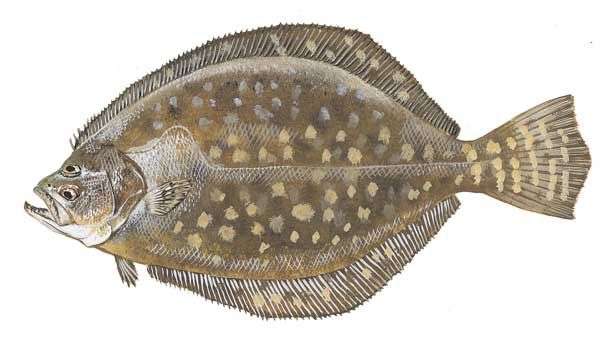
Southern flounder might not be the prettiest fish in the bay, but they're definitely one of the smartest and most challenging to catch consistently. These flatfish are masters of camouflage, burying themselves in sandy bottoms near structure and ambushing anything that swims by. Flounder fishing requires patience and technique – you're often working baits along the bottom, feeling for that subtle tap that indicates a flounder has grabbed your offering. The best flounder action typically happens during their fall migration when they're moving from the bays to the Gulf to spawn. A good flounder runs 16 to 22 inches and provides some of the best eating you'll find in saltwater.
Sheepshead are the overlooked gems of inshore fishing around Port Arthur. These black-and-white striped fish have human-like teeth and a reputation for being bait thieves, but once you figure them out, they're a blast to target. They hang around any kind of hard structure – piers, jetties, reefs, and even crab traps. Sheepshead fishing is all about feel and timing. You need to detect their light bite and set the hook before they strip your bait clean. They're most active during the cooler months, and a good sheepshead in the 3 to 5-pound range will surprise you with how hard it fights. Plus, they're outstanding on the dinner table with firm, white meat that's hard to beat.
Time to Book Your Spot
An 8-hour private charter with Captain Luke gives you the complete Sabine Lake experience without
Learn more about the species
Redfish
Redfish are the ultimate inshore game fish - copper-colored bruisers with distinctive black spots near their tails that'll give you a fight you won't forget. Around Sabine Lake, we typically catch them from 20-30 inches, with some bull reds over 35 inches that'll test your tackle. They love super shallow water, often feeding in 1-3 feet where you can see their backs and tails sticking out. Year-round fishing is good, but fall is prime when they school up and feed aggressively before winter. What guests love most is their power - once hooked, they make long, bulldogging runs that'll have your arms burning. Plus they're excellent table fare with mild, sweet meat. Look for them around oyster reefs, grass flats, and marsh edges where they hunt crabs and shrimp. My go-to tip: sight-cast to tailing fish with a gold spoon or soft plastic - aim 3 feet ahead of where they're heading and work it slow along the bottom.
Sea Trout
Speckled trout are the bread and butter of our inshore trips - beautiful silvery fish covered in distinctive black spots that love our grass flats and shallow bays. Most run 14-20 inches with occasional trophy fish over 25 inches that'll really test your drag. They're most active during cooler months, especially fall through early spring when water temps drop. What makes them special is their aggressive strikes on topwater lures at dawn and dusk - nothing beats that explosive surface bite. They're also fantastic eating with tender, flaky white meat that's perfect for any recipe. These fish are structure-oriented, holding around oyster reefs, grass beds, and drop-offs where they can ambush baitfish. During summer heat, we find them in deeper channels and under docks. Here's a local tip: use a popping cork with live shrimp about 18 inches below - the noise draws them in from distance, and that natural presentation seals the deal.
Sheepshead
Sheepshead are nicknamed "convict fish" for their black and white stripes, but what really sets them apart are their human-like teeth designed for crushing barnacles and crabs. These clever fish hang around any structure - bridge pilings, docks, oil rigs - anywhere they can find their favorite shellfish meals. Most of our catches run 2-5 pounds and 14-18 inches, though we've pulled some real slabs over 8 pounds from the deeper structures. Spring is prime time when they move shallow to spawn around March and April. What guests love is the challenge - they're notorious bait thieves with light bites, but once hooked, they put up a solid fight. The payoff is some of the best eating fish in our waters with sweet, flaky white meat. My trick: use fiddler crabs or fresh shrimp on a small hook, get tight to structure, and when you feel them nibbling, set hard and fast.
Southern Flounder
Southern Flounder are masters of disguise - these flatfish bury themselves in sandy and muddy bottoms where they ambush prey like shrimp, crabs, and small baitfish. Most run 15-18 inches, but we catch some nice ones pushing 25+ inches in our local waters. They're both eyes on the left side and can change color to match the bottom perfectly. Fall and early winter are prime time when they're feeding heavy before heading offshore to spawn. What makes them special is the challenge - you've got to feel for that subtle tap and set the hook quick before they spit the bait. They're also excellent table fare with sweet, white meat. Pro tip: Use a light sinker and let your bait drift naturally along the bottom. When you feel that gentle pickup, count to three before setting the hook - they like to mouth the bait first.
About the Nautic Star 22'
%2F%2Fusers%2Febf0d490-e654-4ec4-86f0-1c4c9b76f575%2Fvehicle_picture%2Fcatching-the-best-in-tx-3021-ml06r6nb.jpeg&w=1200&q=75)
Vehicle Guest Capacity: 6
Manufacturer Name: Yamaha
Maximum Cruising Speed: 38
Number of Engines: 1
Horsepower per Engine: 115